
Loyalty in hospitality goes far beyond a rewards card or a discount code. It's built through moments that matter. A warm greeting at check-in. A meal that sparks a memory. A social media post that feels like catching up with an old friend rather than a sales pitch.
Digital experiences now shape how guests perceive hospitality businesses. A potential guest will scroll through your Instagram before they ever walk through your doors. They'll read online reviews, browse your website, and form opinions long before their first visit. For hospitality businesses competing in a crowded market, this reality presents both a challenge and an opportunity. The brands that understand how to create meaningful digital connections are the ones building loyal customer bases that return again and again.
This guide explores hospitality marketing strategies designed to turn first-time visitors into repeat guests. We'll cover the difference between emotional and transactional loyalty, how storytelling becomes your most powerful marketing tool, and where creative strategy meets measurable results. These key strategies can help you create marketing magic that transforms casual visitors into lifelong advocates.
Understanding loyalty starts with recognising its two forms. Transactional loyalty happens when guests return because of a practical benefit. Think points programs, discount offers, or free upgrades. Emotional loyalty runs deeper. It forms when guests feel genuinely connected to your brand and wouldn't dream of choosing a competitor.
Transactional loyalty programs have their place. They encourage repeat business and can boost bookings during slower periods. A café offering a free coffee after ten purchases will see customers come back. A hotel business with loyalty programs that reward frequent stays will attract business travellers looking to maximise value. These programs support customer retention by giving guests tangible reasons to return.
But here's the thing. Transactional loyalty has limits. The moment a competitor offers a better deal, that guest is gone. Emotional loyalty creates something more resilient. When guests feel understood, valued, and connected to what your brand represents, they become advocates. They leave positive reviews without being asked. They tag your venue in their social media posts. They recommend you to friends and family.
Consider the difference between a restaurant that sends automated birthday discount emails and one that remembers a regular customer's favourite table and preferred wine. Both create repeat customers. Only one creates loyal customers who feel genuinely valued. The second approach transforms the customer experience from transactional to personal.
The metrics that reveal emotional loyalty look different from simple booking numbers. Key performance indicators worth tracking include repeat guests who request specific rooms or tables. Monitor social media engagement beyond likes, including shares and genuine comments. Watch online reviews that mention staff by name or describe specific moments. Collect guest feedback and customer feedback regularly. These indicators reveal guest satisfaction that goes beyond a transaction and provide valuable insights into what drives customer loyalty.
Every hospitality business has a story. The question is whether you're telling it well.
Hospitality marketing that builds emotional connection starts with authentic storytelling. Your brand story isn't just your history or your location. It's the feeling guests experience when they interact with your business. It's the personality that comes through in every touchpoint. Your venue becomes more than just a place to eat or sleep. It becomes a destination with meaning.
Storytelling brings brand values to life in ways that bullet points on a website never could. A boutique hotel might share the story of how its building was restored, complete with photos of the renovation process. A café might introduce the farmers who supply their coffee beans. A restaurant might share the family recipes that inspired their menu. These innovative marketing strategies set you apart from competitors who rely on generic messaging.
This approach transforms marketing efforts from promotion into connection. Guests don't just book a room. They become part of a story. This is an essential strategy for hospitality businesses wanting to build lasting relationships with their target audience.
High-quality visuals amplify storytelling in powerful ways. Professional photography captures the warmth of your spaces, the passion of your team, and the experiences guests can expect. Video production brings your story to life through motion, sound, and emotion in ways that static images cannot.
Consider the difference between a standard food photo and one that shows a chef plating a dish with concentration and care. The first shows what you sell. The second tells a story about who you are.
Social media content marketing becomes the vehicle for these stories. Rather than posting generic promotional material, hospitality businesses that succeed with digital marketing share authentic moments. A behind-the-scenes look at morning prep. A staff member's favourite dish and why. The view from a particular room at sunset.
This authentic social content does more than attract new customers. It reminds past guests why they loved their experience. It keeps your brand top of mind between visits.
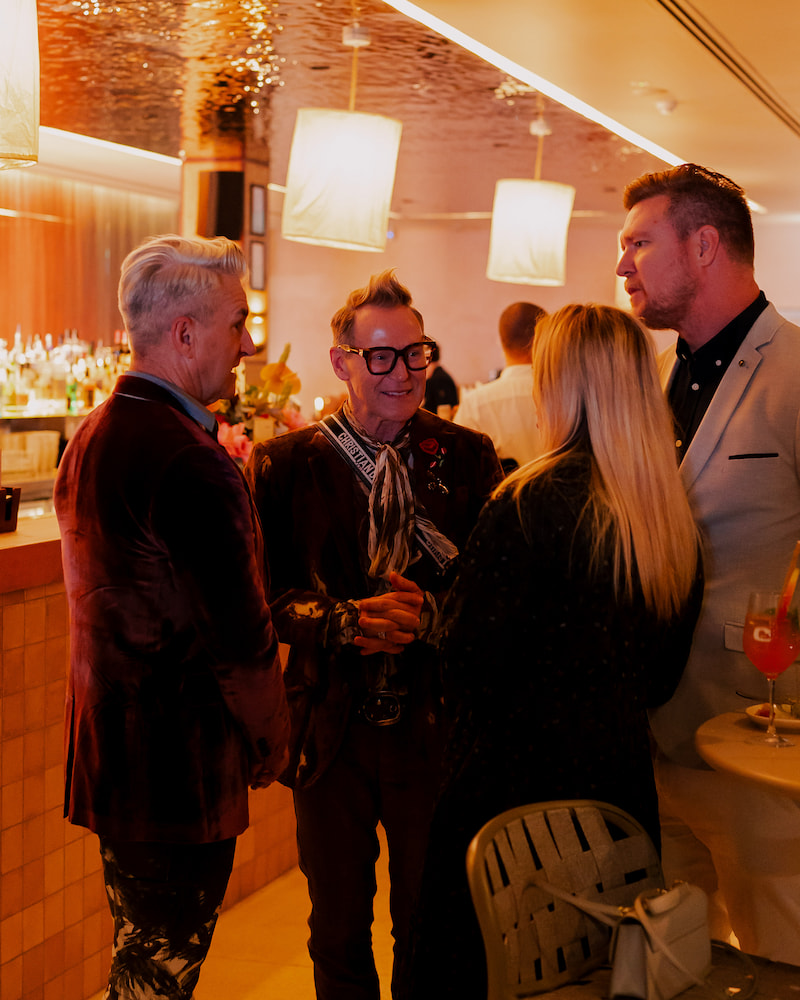
Social media platforms offer hospitality businesses something traditional marketing strategies never could: a two-way conversation. The brands building a strong online presence don't just broadcast. They listen, respond, and engage. Leveraging social media effectively has become a non-negotiable part of modern hospitality marketing.
This shift from one-way promotion to genuine dialogue changes everything about social media marketing. When a guest tags your restaurant in their post, responding with genuine appreciation strengthens that relationship. When someone asks a question in your comments, a helpful and friendly answer builds trust. These interactions happen publicly, so potential guests can see how you treat people.
Not every social media platform serves hospitality businesses equally. Understanding where your target audience spends time helps focus your marketing efforts where they'll have the most impact.
Instagram remains the dominant platform for hospitality marketing. Its visual nature makes it perfect for showcasing food, spaces, and experiences. Features like Stories and Reels let you share behind-the-scenes moments that build connection. The platform's discovery tools help potential guests find you through location tags, hashtags, and the explore page. For restaurants, cafés, hotels, and bars, Instagram should form the backbone of your social media strategy.
Facebook continues to deliver value for hospitality businesses, particularly for reaching local audiences and older demographics. Its events feature well for promoting special occasions, live music nights, or seasonal menus. Facebook Groups can build a community around your brand. The platform's advertising tools also offer precise targeting for marketing campaigns aimed at specific geographic areas or interest groups.
TikTok has transformed how younger audiences discover restaurants and travel destinations. Short-form video content that captures atmosphere, food preparation, or genuine moments can reach massive audiences through the algorithm. The platform rewards authenticity over polish. A quick clip of a bartender crafting a cocktail or a chef finishing a dish can generate more engagement than a professionally produced advertisement.
Google Business Profile deserves attention as part of your social media ecosystem. While not a traditional social platform, it significantly impacts how potential guests find you. Regular posts, photo updates, and responding to online reviews all contribute to your online visibility. Many hospitality businesses underestimate this platform's influence on direct bookings.
LinkedIn serves a specific purpose for hospitality businesses targeting corporate clients. Hotels seeking conference bookings, restaurants promoting private dining for business events, and venues marketing corporate functions will find value here. The platform helps establish credibility with business decision-makers.
Social media strategies that nurture loyalty focus on community building rather than constant selling. Share guest content with permission and genuine enthusiasm. Highlight staff members and their personalities. Tell stories about your connection to the local community and local culture. Give followers reasons to engage beyond sales announcements. Partner with local businesses for cross-promotion opportunities that benefit everyone.
The hospitality sector thrives when guests feel like insiders rather than outsiders. Social media channels offer the perfect opportunity to create this feeling at scale. Share the local events you're excited about. Post about the new menu item before it officially launches. Give loyal followers early access to seasonal specials.
Influencer marketing adds another dimension to your social media strategy. Partnering with food bloggers, travel content creators, or lifestyle influencers can introduce your brand to new audiences. The key is choosing partners whose followers match your target audience. Authentic influencer marketing feels like a trusted recommendation rather than paid promotion. Micro-influencers with smaller but highly engaged followings often deliver better results for hospitality businesses than celebrities with millions of passive followers.
Content that keeps guests engaged between visits extends your relationship beyond physical interactions. Email marketing remains one of the most effective marketing strategies for hospitality businesses precisely because it allows personalised, direct communication. A well-crafted newsletter doesn't feel like marketing. It feels like an update from a place you love.
Consider what content interests your past guests. Behind-the-scenes stories. Staff picks and recommendations. Local culture and events worth knowing about. Recipes or tips they'd find valuable. This approach to content marketing builds anticipation for their next visit while keeping your brand top of mind.
User-generated content deserves special attention in any hospitality marketing strategy. When satisfied customers share their experiences, their friends and followers pay attention to branded content in ways they never would. Encouraging and resharing this content creates a virtuous cycle. Guests feel recognised, their networks discover your business, and your social proof grows.
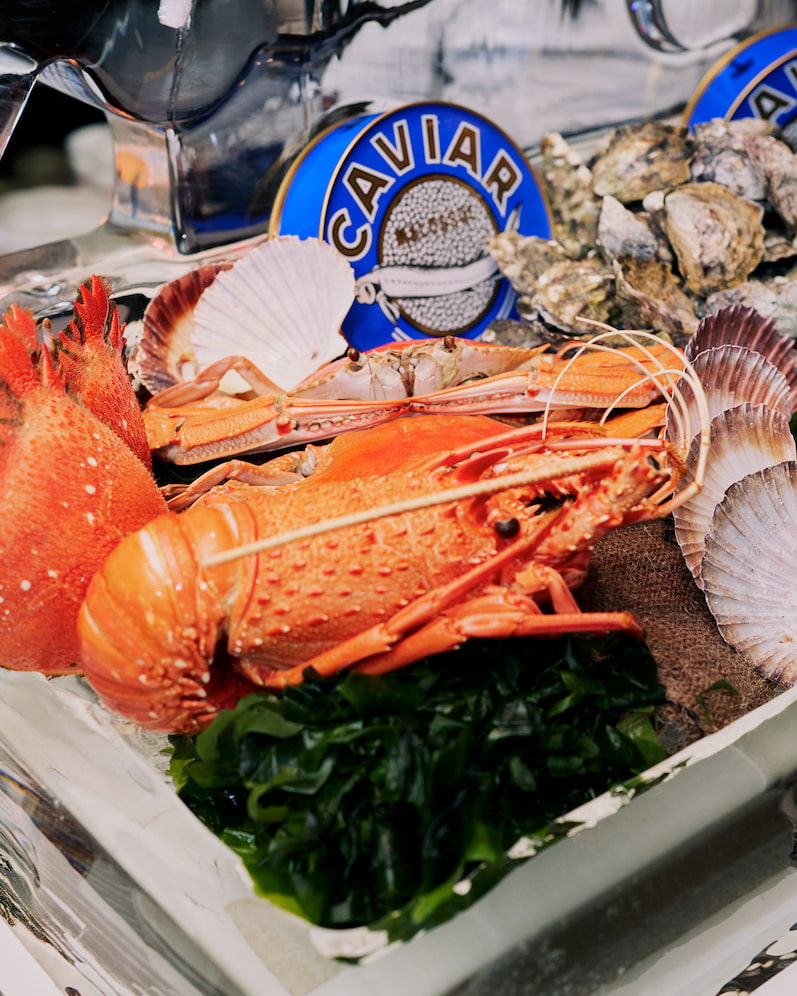
Marketing strategies succeed when creativity serves a clear purpose. For hospitality businesses focused on guest loyalty, the purpose is to create memorable experiences that guests want to relive and share. The right digital marketing techniques combined with creative thinking can transform how guests perceive your brand.
The guest experience extends far beyond service quality. It encompasses every sensory element of their visit. The music playing in your lobby. The scent that greets guests at the entrance. The visual design of your spaces. The texture of your napkins or bed linens.
These details create emotional impressions that linger long after guests leave. A restaurant that smells of fresh bread and herbs creates a different memory than one with a generic air freshener. A hotel lobby with thoughtfully curated music sets a different tone than one playing top 40 radio.
Hospitality management that prioritises these sensory elements creates what guests describe in positive reviews as "atmosphere" or "vibe." They often struggle to articulate exactly why they loved a place. The magic lies in how all elements work together to create memorable experiences.
These immersive experiences also translate into social media content. Guests photograph beautiful spaces. They share video content of memorable moments. They describe sensory details in their online reviews. Every element becomes potential marketing material created by your most credible advocates: happy guests.
Personalised experiences make guests feel valued in ways that generic communication never could. Modern digital marketing tools make personalisation accessible for hospitality businesses of all sizes. This is where understanding customer preferences becomes critical.
Start with email marketing. Rather than sending the same newsletter to everyone, segment your audience by history and preferences. Past guests receive different messages than potential customers. Frequent visitors get recognition for their loyalty. Families receive different recommendations than couples or business travellers. Tailor your marketing campaigns to different guest segments for maximum impact.
Platforms that integrate customer relationship management with your booking process enable this personalisation. They capture guest preferences, track visit history, and enable targeted communication. When a guest who always orders a particular wine returns, staff can prepare accordingly. When someone who celebrated their anniversary with you has another one approaching, you can reach out proactively. These digital marketing efforts pay dividends through increased direct bookings and repeat visits.
Web design also plays a role in personalisation. Smart websites remember returning visitors and can present relevant content based on their browsing history. The booking process can prompt for preferences that staff will honour. Every digital touchpoint becomes an opportunity to demonstrate that you pay attention.
This data-driven approach to hospitality marketing transforms customer relationships from transactional to personal. Guests feel recognised as individuals rather than booking numbers. Use customer feedback to refine marketing strategies and improve the overall customer experience.
Visual storytelling sits at the heart of effective marketing for hospitality businesses. The right imagery helps potential guests visualise themselves in your spaces, enjoying your experiences.
Strong brand photography accomplishes several goals simultaneously. It showcases your physical spaces in their best light. It captures the emotions and energy of guest experiences. It presents your team as warm, professional, and passionate. It highlights the details that differentiate you from competitors. Professional imagery increases online visibility and helps potential guests find you.
Video content takes visual storytelling further. A short clip of a barista crafting a latte tells a story of care and expertise. A walkthrough of a hotel room lets guests experience the space before booking. Guest testimonials captured on video carry authenticity that written reviews cannot match.
Creative agencies that specialise in hospitality marketing understand how to translate brand personality into visual language. They know which shots create an emotional connection. They understand how to capture the essence of guest experience in images that drive bookings.
Professional visual content also performs better across digital marketing channels. Social media algorithms favour high-quality images and video content. Search engine optimisation benefits from original, professional photography. Paid advertising converts better when visuals capture attention and communicate value. These innovative marketing strategies help you stand out in a crowded digital space.
Authentic engagement means more than responding to comments. It means showing up consistently as your genuine brand self across all social media platforms.
Share guest stories with real enthusiasm rather than formulaic appreciation. Respond to customer feedback, both positive and negative, with honesty and care. Highlight your team members as real people with personalities and passions. Participate in conversations about your local community and local culture without always making it about your business.
This authenticity builds trust over time. Followers begin to feel like they know your brand. They understand your values. They can predict how you'll respond to situations. This familiarity transforms potential customers into loyal customers who feel a personal connection to your success.
Many hospitality businesses make the mistake of polishing everything to perfection. But audiences respond to authenticity over perfection. A slightly imperfect behind-the-scenes moment often generates more engagement than a perfectly staged promotional shot. Real beats polished in the social media environment.
This community-building approach to digital marketing strategies creates advocates who do marketing work on your behalf. They recommend you to friends. They defend you against unfair criticism. They share your content because they genuinely want others to discover you.
Guest loyalty in hospitality businesses grows from connection, consistency, and creativity. The marketing strategies that build lasting relationships go beyond promotional campaigns to create genuine emotional bonds. After working with hospitality brands across Australia, we've seen what separates venues that thrive from those that struggle to fill seats.
The hospitality industry faces intense competition. Every hotel business, restaurant, café, and venue fights for the same potential guests. Those that succeed recognise that exceptional service alone doesn't build loyalty. Guests need to feel something. They need to connect with your story, your people, and your values. Your digital marketing goals should align with building these emotional connections rather than chasing vanity metrics.
Here's what consistently works: start with your story. What makes your venue different? What would guests miss if you closed tomorrow? Build your hospitality marketing strategies around these truths rather than trying to be everything to everyone.
Invest in professional visual content early. The difference between amateur and professional photography shapes how potential guests perceive your brand before they ever visit. At If and When, we've seen hospitality businesses transform their booking rates simply by upgrading their visual presence across social media platforms and their website.
Treat social media as a relationship tool rather than a billboard. The venues that build strong, loyal customer bases respond to every comment, share guest content generously, and show the humans behind the brand. This approach requires more effort than scheduling promotional posts, but it delivers results that paid advertising cannot replicate.
Use data to refine marketing strategies over time. Track which content drives engagement. Monitor which email campaigns generate direct bookings. Pay attention to what guests say in online reviews and customer feedback. These valuable insights should guide your marketing decisions rather than assumptions about what might work.
The hospitality businesses building strong, loyal customer bases share common characteristics. They tell authentic stories through professional visual content. They genuinely engage on social media rather than just broadcasting promotions. They personalise every interaction to make guests feel recognised and valued. They create memorable experiences worth sharing. They use digital marketing techniques that prioritise relationship over transaction.
Building guest loyalty is an ongoing commitment rather than a one-time campaign. Every interaction either strengthens or weakens the emotional connection guests feel with your brand. The hospitality businesses that recognise this truth and invest in meaningful engagement create something competitors cannot easily replicate: genuine loyalty that drives repeat business for years to come.
If and When partners with hospitality businesses ready to take their marketing seriously. We handle the creative work that builds emotional connection: professional photography that captures your atmosphere, video content that tells your story, and social media management that nurtures relationships with guests between visits. Our team understands the hospitality sector because we've spent years helping restaurants, cafés, hotels, and bars across Sydney grow their loyal customer base through strategic digital marketing.
